


Exploring the intricacies of casino design A journey through architectural innovation
The Evolution of Casino Architecture
Casino architecture has undergone a remarkable evolution over the years, reflecting cultural shifts, technological advancements, and changing consumer preferences. From the opulent palaces of the early 20th century to the sleek, modern structures of today, each design phase has embraced innovation. The emergence of integrated resorts, which combine gaming with luxury accommodations and online gambling sites, highlights a trend towards creating multifaceted experiences.
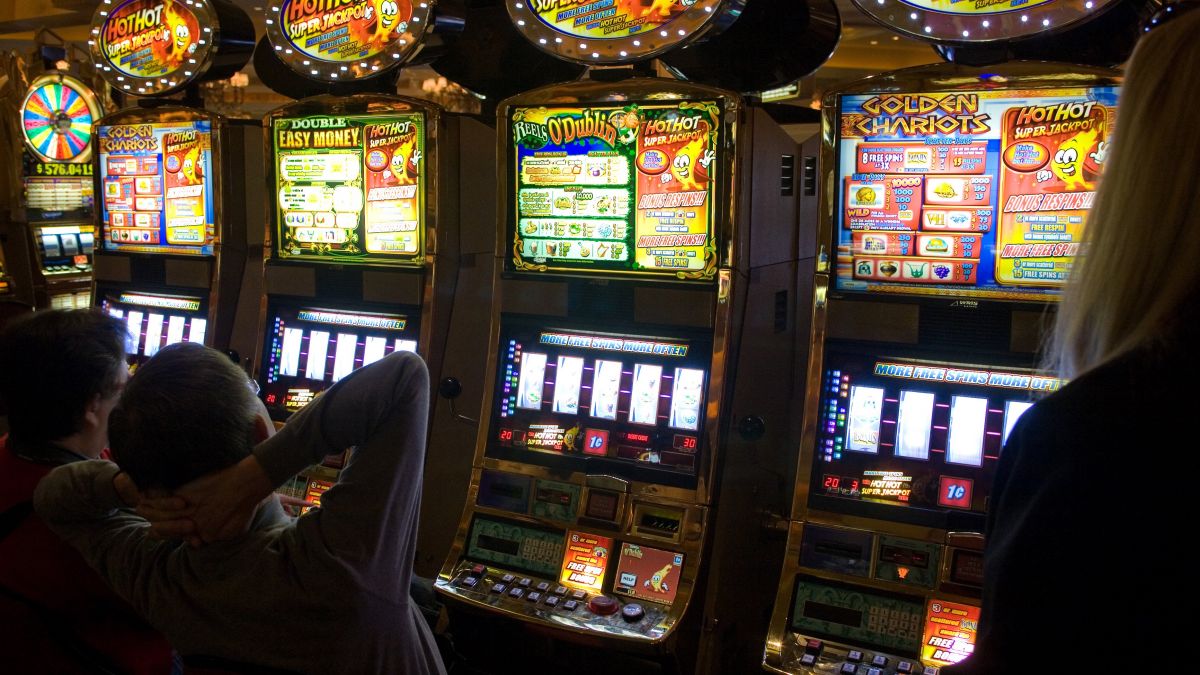
Modern casino design often incorporates elements that appeal to a diverse clientele. Architects are now considering the psychology of players and visitors. This involves creating layouts that promote flow and engagement, while also ensuring comfort and accessibility. The blend of aesthetics and functionality is crucial in attracting and retaining patrons.
Key Features of Modern Casino Design
Several key features characterize contemporary casino design. Open spaces filled with natural light create inviting environments that encourage exploration. High ceilings and large windows are frequently used to enhance the sense of space, allowing visitors to feel less confined while engaging in gaming activities. Additionally, the use of technology is ever-present, with digital displays and interactive installations that enhance the gaming experience.
Moreover, the thoughtful arrangement of gaming areas, bars, and restaurants plays a significant role in keeping visitors entertained. Designers often incorporate themed zones to create a narrative and immerse guests in a unique atmosphere. This strategic zoning helps in managing crowd flow and enhancing overall satisfaction.
The Role of Sustainability in Casino Design
As environmental concerns grow, sustainability has become an essential consideration in casino design. Modern architects are increasingly focusing on eco-friendly materials, energy-efficient systems, and sustainable practices. This shift not only minimizes environmental impact but also resonates with eco-conscious patrons who appreciate responsible business practices.
Incorporating green roofs, water conservation systems, and solar energy solutions are some of the innovative strategies used in contemporary casino architecture. By prioritizing sustainability, casinos can create appealing spaces that reflect a commitment to environmental stewardship, ultimately enhancing their brand image and attracting a broader audience.
Influences from Cultural Contexts
The design of casinos is often influenced by their cultural contexts. In regions known for their rich histories and traditions, architectural elements may be integrated to reflect local aesthetics. This can be seen in casinos that embrace cultural motifs or incorporate local materials, creating a sense of place and connection for visitors.
Furthermore, the surrounding community’s values and expectations play a significant role in shaping the design process. Engaging with local stakeholders allows architects to create spaces that not only serve as entertainment venues but also contribute positively to the community. This approach fosters a sense of belonging and pride among local residents while enhancing the overall experience for visitors.

Keeping Informed with Industry Developments
For those interested in the gambling industry, staying updated with the latest trends and innovations is crucial. Numerous platforms provide valuable information on casino design, architectural innovations, and industry news. These resources are essential for professionals and enthusiasts alike, offering insights into how architecture influences the gaming experience.
By following developments in casino architecture, stakeholders can better understand the intersection of design and functionality, ultimately enhancing their engagement with the industry. From exploring groundbreaking projects to learning about emerging technologies, the journey through casino design continues to inspire and inform those passionate about this unique architectural field.